Storm Damage Roof Repair: What to Do Before Help Arrives
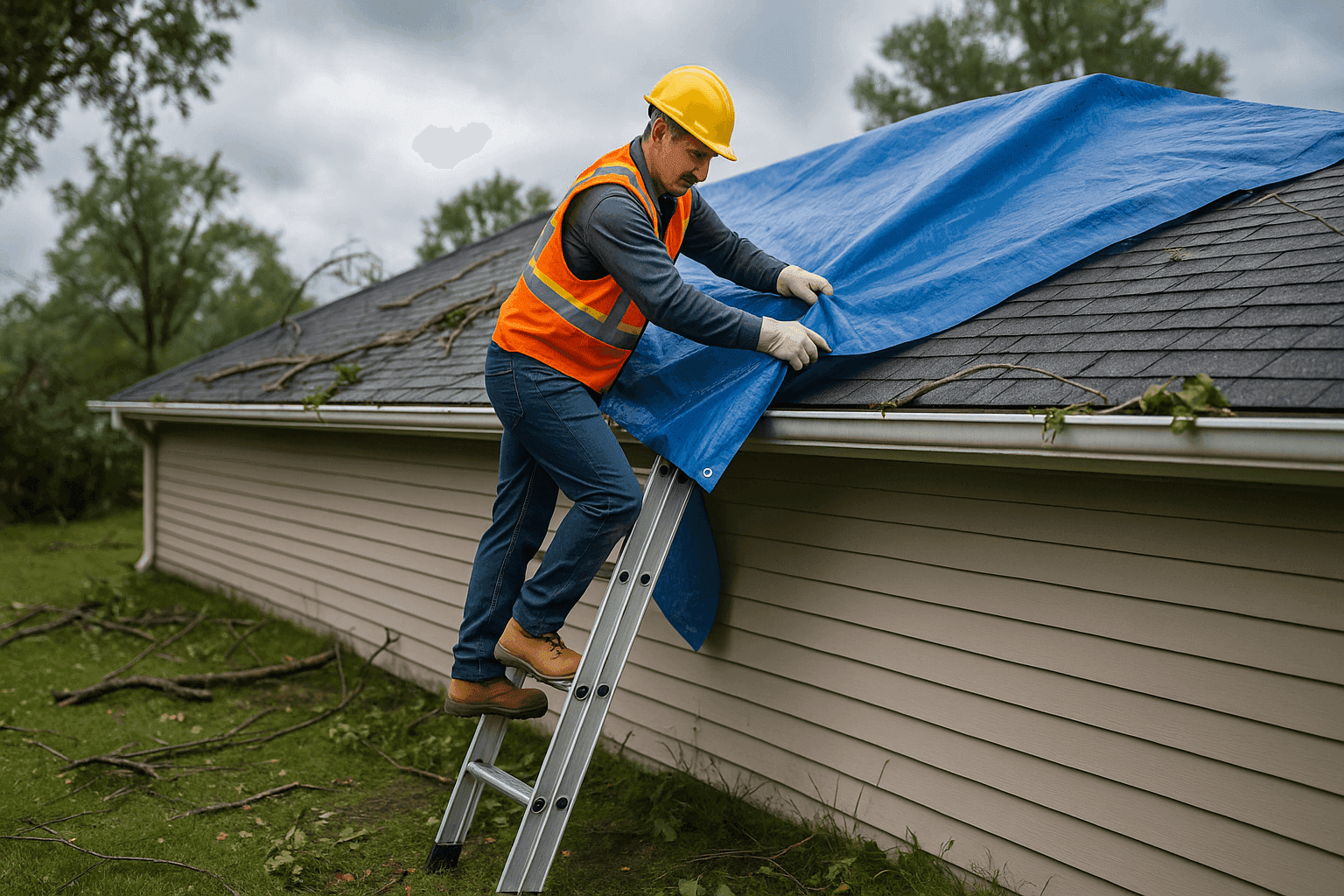
When a wild storm barrels through, the world outside can feel like a war zone. Hail clattering like marbles, wind howling at the windows, rain pounding the roof. Then, as the chaos fades, you step outside and see torn shingles, missing tiles, or worse—a gaping hole overhead.
Roof damage after a storm is stressful and urgent. But before panic sets in, take a breath. This guide from Len's Roofing will walk you through what to do—step by step—before professional roofing help gets to your door.
Assessing Roof Damage Safely 🛑
Your first instinct might be to climb up and inspect for yourself. Don't rush. The roof may be slippery, unstable, or hiding sharp debris. Safety always comes first.
- Wait until lightning and strong winds have fully passed.
- Scan your roof and yard from the ground with binoculars, if you have them.
- Look for obvious signs: missing shingles, dented flashing, sagging gutters, tree limbs on the roof, or visible holes.
- Check your attic or ceilings for leaks, damp spots, or daylight streaming through.
- Never step onto a wet or damaged roof. According to the National Roofing Contractors Association (NRCA), falls are the leading cause of roofing injuries. If in doubt, stay on the ground.
If you smell gas, see downed power lines, or suspect structural weakening, evacuate and call emergency services immediately.
Temporary Fixes You Can Do
A few quick actions can help prevent further damage inside your home while you wait for skilled roofing help.
- Cover leaks with a tarp: Use a heavy-duty tarp, draped over the damaged section and weighted securely with boards or bricks at the edges. Avoid using nails or screws, which can make things worse.
- Place buckets or pans under drips indoors: Catch water to protect floors and belongings.
- Move valuables: Shift furniture, electronics, and keepsakes away from leaks.
- Close attic vents if safe to access: This limits rain intrusion.
- Document everything: Take photos before and after you make any temporary fixes.
Remember, these are just stopgaps. The goal is to slow the drip, not to fix the roof. Never attempt risky repairs, like removing heavy debris or climbing onto a steep or high roof.
Protecting Your Home Interior
Water and wind can turn a minor roof issue into a much bigger headache. Quick action inside can save you time, money, and frustration.
- Remove rugs and soft furnishings from affected rooms.
- Open windows (if safe) to ventilate and help dry wet areas.
- Use fans or a shop vac to speed up drying—but never use electrical devices in standing water.
- If insulation above the ceiling is saturated, leave removal to professionals.
If you spot bulging paint or ceiling, carefully poke a small hole to release trapped water into a bucket. This can prevent a bigger collapse, but only if you feel safe doing so.
Photographing Damage for Claims 📸
Insurance claims rely on clear documentation. The more details you provide, the easier the process becomes.
- Snap wide shots of the roof, yard, and affected rooms from several angles.
- Take close-ups of damaged shingles, flashing, gutters, skylights, or vents.
- Don’t forget to capture water stains, fallen branches, and any temporary fixes you made.
- Keep a written list of what you’ve noticed, when it happened, and any actions you’ve taken.
According to the Insurance Information Institute, well-documented claims speed up approvals—so don’t skip this crucial step.
Next Steps for Professional Repair
Once you’ve stabilized the situation, it’s time to call in the roofing professionals.
- Reach out to a trusted roofer with experience in storm repair, like Len’s Roofing.
- Share your photos and notes—they’ll help your roofing team assess the damage quickly.
- Ask about emergency tarping or sealing if conditions are severe.
- Avoid hiring anyone who knocks on your door without credentials or insurance.
A reputable roofing team will inspect, explain the issues, and guide you through repairs—whether you need a new roof installation, flashing repair, or just a few shingles replaced.
Safety Precautions: What to Avoid
Don’t let urgency lead you into risky territory. Industry best practices and the Occupational Safety and Health Administration (OSHA) both stress:
- Never walk on a roof after a storm—hidden weak spots can collapse.
- Skip makeshift repairs with duct tape, plastic sheets, or tarp tacks. These can make matters worse.
- Don’t try to remove heavy limbs or debris yourself; wait for professional help.
- Avoid electrical hazards—if water is near outlets or wiring, shut off power at the breaker if safe to do so.
When to Call for Emergency Services 🚨
Some situations go beyond DIY fixes:
- Large holes or sections of roof missing
- Exposed electrical wiring
- Structural damage to walls or ceilings
- Water pouring in at a rapid rate
- Fire, gas leaks, or major flooding
If you face any of these, call emergency services first, then Len’s Roofing for urgent roofing help.
DIY vs. Professional Repairs
It’s tempting to “just get up there” with a hammer and nails. But storm-damaged roofs hide dangers—loose decking, sharp edges, electrical wires, or hidden leaks.
- DIY is only for minor, safe, temporary fixes at ground level.
- For anything more, or if you have a flat roof or complex tile work, wait for the pros.
- Roofers use harnesses, proper ladders, and safety gear to protect themselves and your property.
Your safety is worth more than any quick patch.
What Pros Do On Arrival
When Len’s Roofing arrives, here’s what you can expect:
- A safety assessment of your roof and property.
- Professional inspection—inside and out—to identify all damage.
- Emergency tarping, sealing, or bracing if needed.
- Explanation of the damage and repair options, tailored to your roof type (metal, shingle, flat, tile, and more).
- Guidance on insurance, next steps, and timelines.
Our crews follow the latest building codes and manufacturer specifications for every repair. That means your roof is fixed right—the first time.
Prevention & Maintenance Tips
Storms are unpredictable, but you can lower your risk with smart preparation:
- Have your roof inspected annually, especially before storm season.
- Keep gutters and downspouts clear to prevent water backup.
- Trim trees near your home to stop falling branches.
- Check attic insulation and ventilation; this prevents moisture buildup and rot.
- Upgrade to impact-resistant shingles or eco-friendly roofing options if you live in a storm-prone area.
The Federal Emergency Management Agency (FEMA) offers detailed guidelines on strengthening your home’s roof against severe weather.
Costs & Time Factors
Every storm and every roof is unique. Costs and timing depend on:
- Roof size, pitch, and material (shingle, metal, tile, flat roof, etc.)
- Extent of damage—minor leaks cost less and take less time than major structural repairs.
- Emergency vs. scheduled repairs—urgent calls may cost more due to after-hours or hazardous conditions.
- Insurance involvement—claims can speed up or delay repairs depending on adjuster schedules.
Most emergency tarping happens within hours; full repairs may take days or longer, especially after widespread storms. Your roofer can give you a reasonable window based on your specific situation.
Local and Seasonal Considerations 🌧️
Storm types vary by region and season. In some areas, hail is the main risk. Elsewhere, hurricanes or ice storms are more likely. Len’s Roofing is familiar with the roofing needs of homes in all climates and can recommend materials and strategies that help your roof weather any storm.
- If you’re in a hurricane-prone zone, ask about wind-rated shingles and reinforced flashing.
- In heavy snow regions, watch for ice dams and keep gutters clear before winter sets in.
- For flat roofs near you, regular inspections are especially important after heavy rain.
Frequently Asked Questions
How quickly should I cover roof damage after a storm?
As soon as it’s safe. The faster you stop water intrusion, the less damage inside.
Will insurance cover my roof repair?
Most homeowners’ policies cover sudden storm damage, but coverage details vary. Document everything and contact your insurer promptly.
Can I inspect the roof myself?
Stay on the ground. Use binoculars, and look for signs like missing shingles or sagging. Leave climbing and close inspections to professionals.
What materials are best for storm-resistant roofing?
Impact-rated shingles, properly installed metal panels, and reinforced flashing offer strong protection. Ask your roofer about the best options for your area.
Storms are tough on roofs—but you don’t have to face the aftermath alone. Whether you need help with flat roofs, leak repair, or a full roof replacement, Len’s Roofing is ready.
Call Len's Roofing now — or reach us anytime at 855-572-5573 .