Residential Roof Replacement Costs Explained: Materials, Labor & More
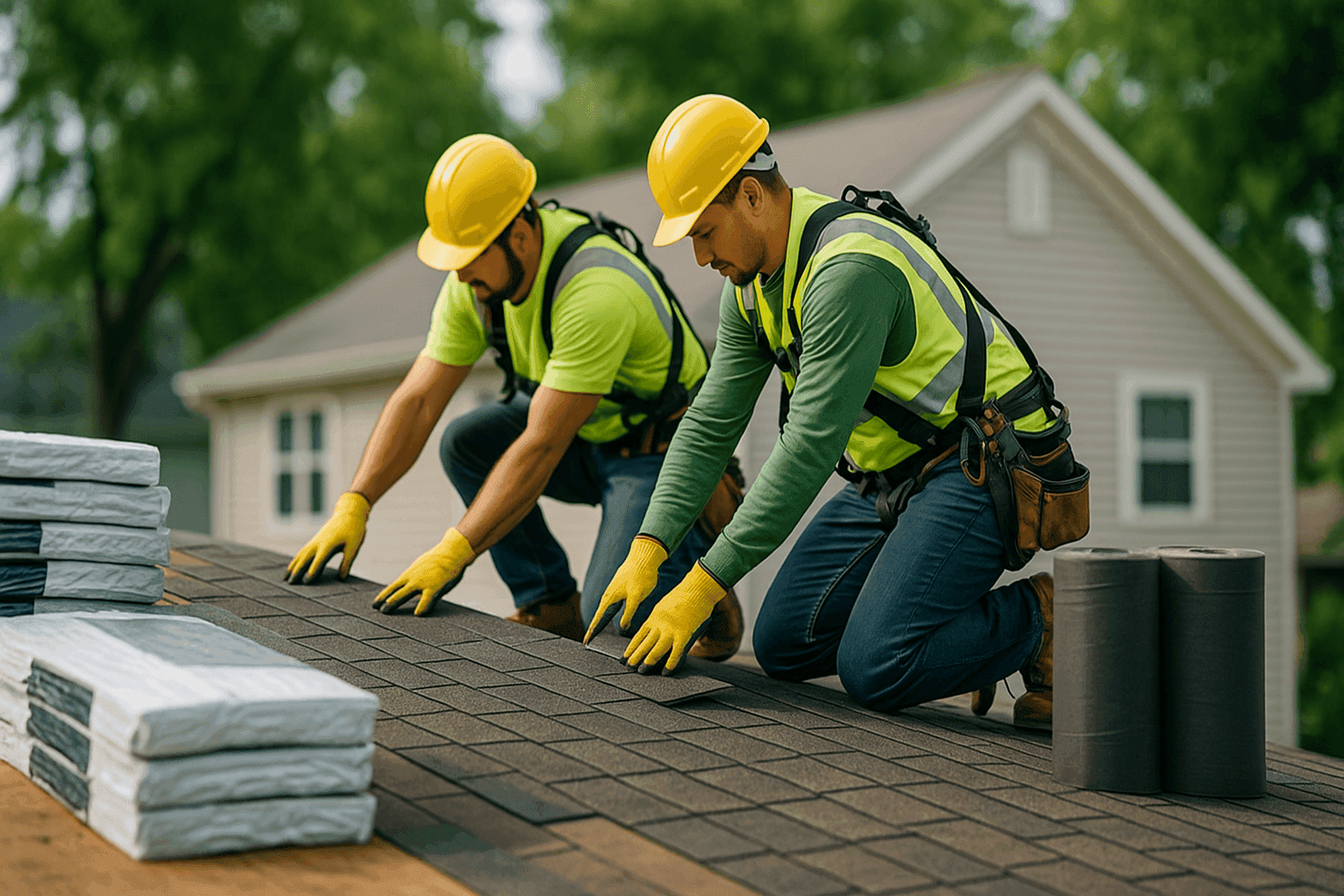
Replacing your roof isn't something most homeowners do often. When the time comes, it can feel like a storm cloud hanging overhead. At Len's Roofing, we know that understanding what goes into the price tag can ease that anxiety.
Let’s break down what you’re really paying for—so you can make choices that fit your home, your needs, and your budget.
What Influences Roof Replacement Costs? 🏡
There’s no one-size-fits-all answer to the cost of roof replacement. Picture it like ordering a custom pizza: the size, the toppings, and even the time you order can shift the price.
Here’s what drives the total cost:
- Roof Size and Pitch: Bigger roofs need more material and labor. Steep roofs also require extra safety measures.
- Material Choice: Asphalt shingles, metal roofing, tile, and flat roof options all come with different price tags.
- Labor: Quality craftsmanship means better results, but also accounts for a significant portion of the bill.
- Optional Upgrades: Skylights, eco-friendly options, advanced ventilation, and gutter systems add value—and cost.
- Seasonal Demand: Prices can climb during storm season or after major weather events due to high demand for emergency roofing services.
- Underlying Repairs: Damage to decking, insulation, or structural supports may only be visible once the old roof comes off.
Some companies might offer a number that sounds almost too good to be true. If a quote seems surprisingly low, it may skip essential steps (like proper flashing or code-compliant insulation) that protect your home in the long run.
Material Comparisons: Shingle, Metal, Tile & More
Choosing the right material sets the stage for both cost and performance. Think of it as picking the right shoes: what’s comfortable for one person may not work for another.
Asphalt Shingles:
The go-to for many residential roofs. They’re affordable, come in a variety of styles, and are relatively quick to install. Shingles generally last 15–30 years, depending on quality and climate.
Metal Roofing:
Think of metal roofs as the marathon runners—long-lasting and tough. They reflect heat well and can last 40–70 years, but the upfront investment is higher than shingles.
Tile Roofing:
Clay and concrete tiles bring classic style and serious longevity. They’re heavier, so your roof structure may need reinforcement. The cost is usually higher, but so is the lifespan—often upwards of 50 years.
Flat Roofs Near You:
Popular for modern homes and certain additions. Materials like TPO, EPDM, or modified bitumen are used here. Each has its own cost range and maintenance needs.
Eco-Friendly Options:
Cool roofs, solar-integrated shingles, or green roof systems help lower energy bills. Upfront costs vary, but some options may qualify for rebates or incentives.
When comparing, ask what’s included: underlayment, flashing, sealants, and manufacturer warranties can all affect the bottom line.
Understanding Labor Charges 🛠️
Labor is often the largest slice of the roofing pie. Why? Because skilled hands and safety-conscious crews are worth every penny.
- Removal of Old Roof: This is more than just pulling up shingles or tiles. It involves careful work to avoid damaging the structure below.
- Installation: Laying new material, securing flashing, installing vents, and sealing edges—all require precision.
- Safety and Insurance: Reputable companies carry workers’ comp and liability insurance. This protects you and the crew.
- Project Management: Timelines, inspections, and coordination with suppliers all factor into the labor cost.
Cheaper labor might mean shortcuts: skipping permits, ignoring local building codes, or using undertrained crews. These are red flags that can cost you more in the long run.
Additional Factors: Decking, Flashing, and Waste Removal ♻️
Hidden costs can sneak up if your contractor isn’t upfront. Here’s what to watch for:
Decking Replacement:
If the plywood or boards beneath your old roof are rotted or damaged, they need replacing. This adds to materials and labor.
Roof Flashing Repair or Replacement:
Flashing protects critical areas—chimneys, vents, valleys—from leaks. Upgrading or repairing flashing is essential but not always included in basic quotes.
Waste Removal and Disposal:
Hauling away old shingles, tiles, or underlayment isn’t glamorous, but it’s necessary. Responsible disposal means fees, which should be listed clearly in your estimate.
Add-ons and Upgrades:
- Skylight installation or repair
- Gutter and downspout upgrades
- Enhanced ventilation or insulation for energy savings
Ask for an itemized estimate so you know exactly what you’re paying for—and what might cost extra.
How to Budget and Plan
Roof replacement is a big investment, but with a clear plan, it doesn’t have to be overwhelming.
Steps to Prepare Financially:
- Request Multiple Estimates: Look for detailed, apples-to-apples comparisons.
- Ask What’s Included: Confirm materials, labor, warranties, removal, and cleanup.
- Plan for the Unexpected: Set aside a contingency (often 10–20%) for hidden damage.
- Check for Financing or Incentives: Some roofing projects qualify for tax credits or rebates.
- Time Your Project: Scheduling outside of peak storm season can sometimes save money.
Red Flags for Underbidding:
- Vague estimates with no details
- No mention of permits or inspections
- Pressure to decide on the spot
- Lack of insurance or business credentials
A solid contractor will be transparent about pricing, answer your questions, and help you make sense of every line on your estimate.
Frequently Asked Questions
How long does a roof replacement usually take?
Most residential roofing projects are completed in 1–3 days, depending on size, weather, and complexity. Unexpected repairs (like decking replacement) can add time.
Will insurance help pay for my new roof?
If your roof was damaged by a covered event (like a storm), your homeowner’s insurance may help with costs. Routine wear and tear is usually not covered. Always check your policy and consult your insurance adjuster.
Are there building codes I should know about?
Yes. Roof replacements must meet local building codes and manufacturer installation guidelines. This ensures your new roof is safe and performs as expected. The International Residential Code (IRC) is a good reference for general standards.
Can I stay in my home during roof replacement?
Most homeowners can stay put, though it will be noisy. For sensitive individuals (pets, small children, those working from home), consider alternate arrangements during peak work hours.
Seasonal and Local Considerations 🌦️
In areas prone to storms, hurricanes, or wild winters, timing matters. After a major storm, demand for “Flat Roofs near you” and other roof repairs surges. This can increase labor costs and lead times. Planning your project ahead of storm season—or scheduling during the off-season—may offer more flexibility and sometimes better pricing.
Certain upgrades, like improved attic insulation or impact-resistant shingles, can help your roof weather future storms more effectively. Ask your contractor about local code requirements and recommendations for your climate.
Replacing your roof is a big step, but you don’t have to go it alone. If you’re ready to start planning, need answers, or want to schedule an inspection, we’re just a call away.
Call Len's Roofing now — or reach us anytime at 855-572-5573 .