How to Spot Early Signs of Roof Damage: A Homeowner’s Guide
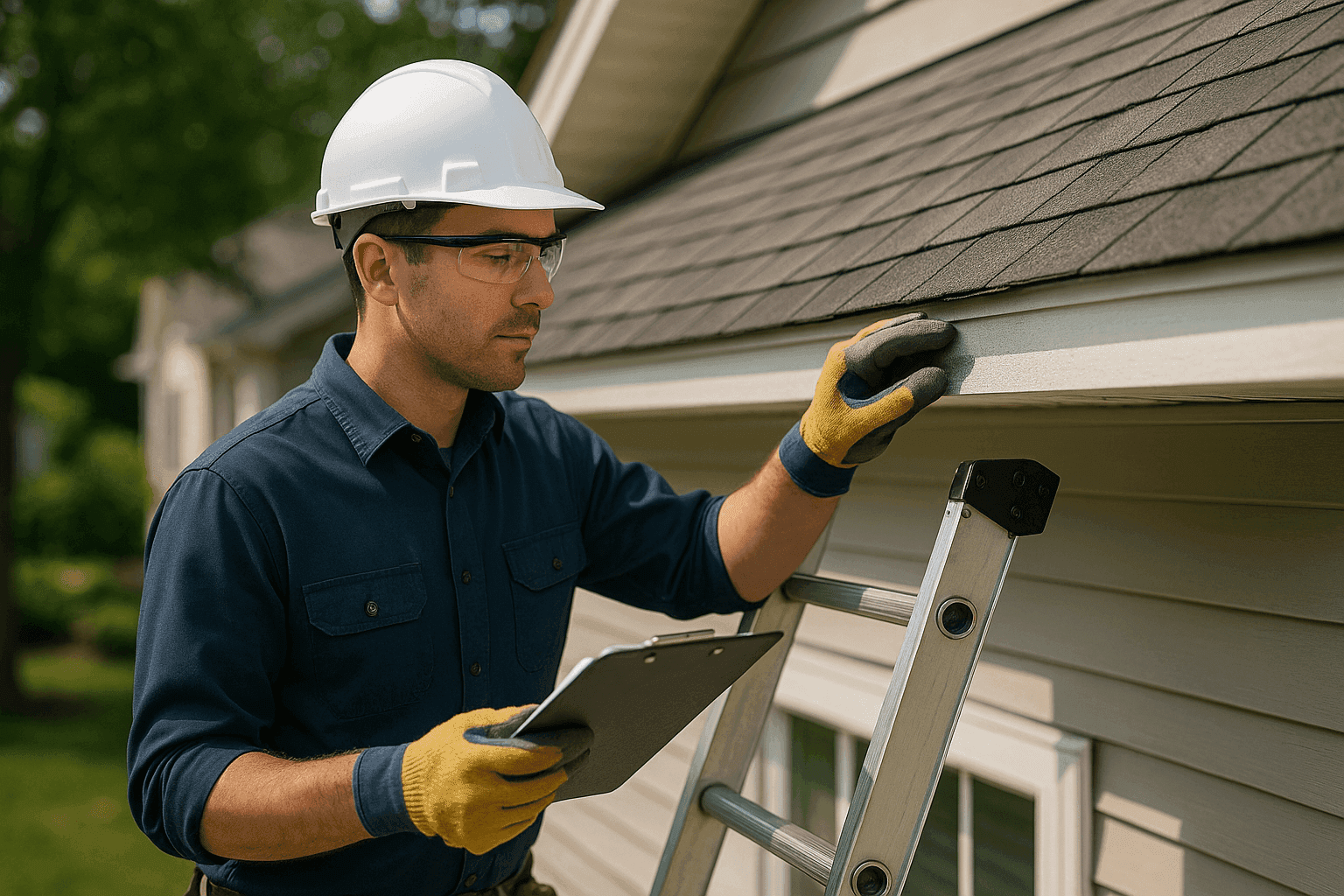
Every roof tells a story. Sometimes, the warning signs are as subtle as a whisper—an uneven shingle, a slight water stain. Other times, it’s a shout: a leaking ceiling during a storm, or shingles scattered across the yard. Whatever the sign, catching roof damage early can save you from a world of stress and unexpected expenses.
At Len’s Roofing, we know the roof over your head is more than just shingles and nails—it’s peace of mind. This guide is for homeowners who want to keep their families safe, avoid unpleasant surprises, and feel confident about the state of their roof.
Why Early Detection Matters 🕵️
A small crack or missing shingle might not seem urgent. But roofs, like any part of your home, have a way of turning small problems into big headaches. Early detection is your best defense. Think of it as catching a tiny leak in your boat before it becomes a gusher.
- Cost Savings: Fixing minor issues is far less expensive than emergency repairs or a full roof replacement.
- Home Safety: Water intrusion can quietly weaken your home’s structure, foster mold growth, and even compromise your insulation.
- Insurance Benefits: Many insurance policies require regular roof inspections to keep your coverage intact.
- Longevity: Regular checkups and timely repairs help your roof last longer—sometimes years beyond its expected lifespan.
In short, a stitch in time really does save nine.
Common Visual Warning Signs
Roofs speak a language of their own. Here’s how to listen:
Shingle and Tile Changes
- Cracked, curled, or missing shingles: Like missing teeth, these gaps let in water.
- Granule loss: Check your gutters for asphalt granules. Excessive loss means shingles are aging fast.
- Broken, slipped, or chipped tiles: For tile roofing, look for uneven lines or visible gaps.
Water Stains & Interior Clues
- Ceiling stains: Brown rings or damp spots on ceilings and upper walls spell trouble.
- Peeling paint or wallpaper: Moisture from a leaky roof can travel along walls, causing bubbling or peeling.
- Musty odors: A persistent, earthy smell is often a sign of hidden water damage or mold.
Gutters & Downspouts
- Overflow: Water spilling over during rain can mean a clogged gutter or a failing roof slope.
- Sagging or pulling away: Heavy debris or water weight can bend gutters, making them less effective.
- Downspout leaks or separation: Water pooling near your foundation is a red flag.
Flashing & Roof Edges
- Rusty or loose flashing: These thin metal strips keep water out of seams and joints. If they’re bent, rusted, or missing, leaks are likely.
- Chimney or skylight flashing: Watch for cracks, gaps, or old sealant pulling away.
Seasonal Impacts
- Winter: Ice dams, heavy snow, and freeze-thaw cycles can damage roofing materials and block gutters.
- Spring & Summer: Storms, hail, and high winds can dislodge shingles or blow debris onto your roof.
- Autumn: Falling leaves clog gutters and add extra weight, especially after rain.
What to Check After Severe Weather 🌧️
When the sky clears after a storm, take a careful walk around your home (from the ground, for safety):
- Look for missing or shifted shingles/tiles.
- Check for debris, especially branches or blown objects.
- Inspect gutters and downspouts for blockages.
- Look for dents, bruises, or granule loss from hail.
- Check your attic or upper rooms for new leaks or water stains.
If you spot anything out of the ordinary, jot it down. Photos are helpful, too.
When to Call a Professional
Some problems are clear as day. Others hide in plain sight. Here’s when it’s time to bring in a roofing professional:
- Multiple leaks or widespread water stains: These often point to underlying structural issues.
- Sagging rooflines: A roof that dips or sags can signal rot or compromised decking.
- Persistent gutter issues: If you’ve cleaned them and still see overflows, your roof’s slope or drainage may be off.
- Damaged flashing or skylights: Fixing these requires careful, specialized work.
- After major storms: Even if you don’t see damage, a professional inspection can catch hidden issues.
A good rule of thumb: if you’re unsure, call. Roofs aren’t just about what you see—they’re about what you can’t.
Quick Homeowner Safety Checklist
Before you grab a ladder, consider this:
- Stay grounded. Most roof checks can be done from the ground with binoculars.
- Wait for dry, calm weather. Wet roofs are slippery and dangerous.
- Never walk on a damaged or icy roof.
- Use sturdy shoes and gloves if you must climb.
- Keep ladders on stable, level ground.
- Have someone nearby in case you need help.
Your safety is always more important than a missing shingle.
Actionable DIY Steps for Spotting Roof Trouble
Not every roof issue requires a pro right away. Here’s what you can do:
- Walk your home’s perimeter after storms.
- Check attic ceilings for fresh stains or dampness.
- Clear gutters and downspouts at least twice a year.
- Trim overhanging branches. They can scrape and damage roofing during wind or storms.
- Look for signs of animal activity: Nests, droppings, or gnawed materials often mean entry points.
When to Leave It to the Pros
While a watchful eye is your first defense, some jobs need professional tools and training:
- Climbing on steep or high roofs.
- Repairing flashing, skylights, or chimney caps.
- Handling large sections of missing shingles or tiles.
- Inspecting for structural problems beneath the surface.
Roofing professionals are trained to spot hidden damage and follow safety guidelines from sources like the Occupational Safety and Health Administration (OSHA) and the International Residential Code (IRC).
What Professionals Do On Arrival
When you call Len’s Roofing for an inspection or repair, here’s what to expect:
- Thorough exterior inspection: Shingles, tiles, flashing, gutters, and all roof penetrations.
- Interior attic check: Looking for signs of leaks, mold, or insulation issues.
- Moisture detection: Using specialized tools to find hidden water damage.
- Written assessment: Clear explanations of what’s wrong, what needs fixing, and your options.
Our team follows industry-recognized safety and quality standards—so you know your home is in good hands.
Preventative Maintenance Pays Off 🛠️
Think of roof care like dental hygiene—a little routine attention saves a lot of pain later.
- Schedule annual inspections, especially after severe weather.
- Keep gutters clear and flowing.
- Replace cracked sealants and flashing as needed.
- Trim nearby trees.
- Address small repairs quickly.
Preventative maintenance isn’t glamorous, but it’s the surest way to avoid expensive surprises.
Costs & Time Factors
It’s natural to worry about cost and downtime. Here’s what to keep in mind:
- Small repairs (like a few shingles or sealant patches) are usually quick—often done in a day.
- Major repairs (flashing, skylights, partial replacements) take longer and may require special materials or permits.
- Full roof replacements depend on size, material, and weather, but most residential jobs finish in a few days.
Remember: early action almost always costs less than waiting until problems multiply.
When It’s an Emergency
Some roof problems can’t wait:
- Active leaks during storms.
- Sudden sagging or collapse.
- Severe storm, hail, or tree damage.
- Exposed electrical wiring from water intrusion.
In these cases, move valuables to safety, contain water if possible, and call Len’s Roofing for emergency services right away.
Frequently Asked Questions
How often should I inspect my roof?
Twice a year—spring and fall—is a good rule of thumb. After major storms, do a quick check as well.
Can I spot all roof issues myself?
You can catch many surface problems, but hidden leaks or structural issues usually require a professional inspection.
Is it safe to walk on my own roof?
Only if you have the right safety gear, experience, and your roof isn’t steep or slippery. Otherwise, leave it to the pros.
What’s the lifespan of a typical roof?
Asphalt shingles last about 20-25 years. Tile, metal, and eco-friendly roofing options can last longer with proper maintenance.
Local and Seasonal Considerations 🏠
No matter where you live, each season brings its own roofing challenges:
- Winter: Ice and snow can build up, causing leaks or damaging gutters.
- Spring storms: Heavy rains and wind test your roof’s resilience.
- Summer heat: UV rays can dry and crack roofing materials.
- Autumn: Falling leaves and branches add weight and block drainage.
If you have a flat roof, look for standing water after rain. For tile or metal roofing, watch for loose pieces after windstorms. Eco-friendly options like green roofs need regular checks for plant overgrowth or drainage issues. And if you’re searching for “Flat Roofs near you,” remember that regular inspections are especially important for these low-slope systems.
Your roof protects everything and everyone inside your home. Give it the attention it deserves. If you spot any of these warning signs—or just want peace of mind—reach out to Len’s Roofing.
Call Len's Roofing now — or reach us anytime at 855-572-5573 .